
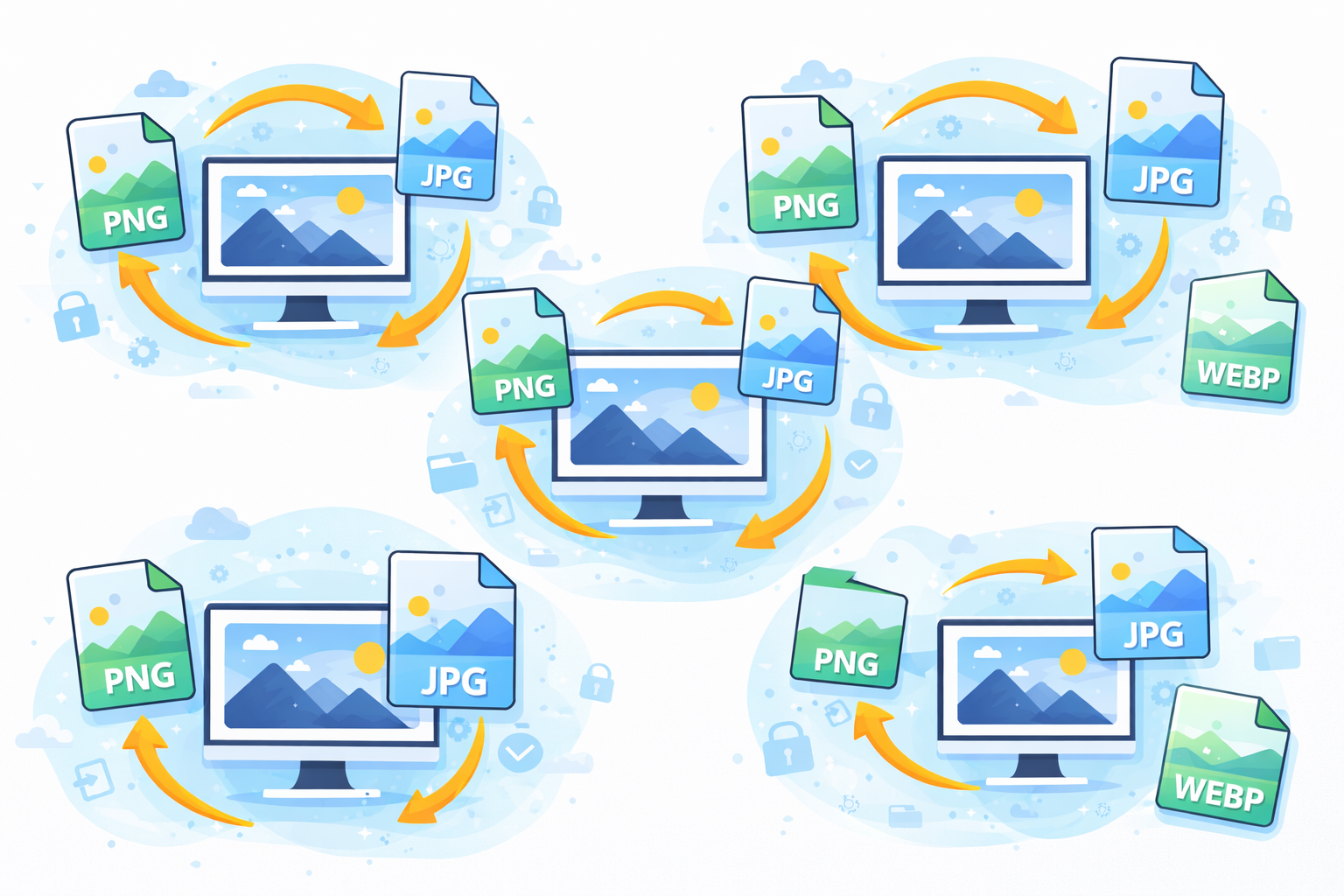
Introduction to Image Optimization for the Web
Images are among the most crucial elements of a modern web site. They aid in explaining concepts, create attractive pages and help keep users interested. However, images could be the main reason the website is slow to load. If images are large or badly formatted, they may significantly slow the performance of a website.
This is the reason that knowing how to convert and optimize images for the Web is vital for anyone running a blog, website blog, a blog, or an online store. A proper image optimization process can reduce file size, while preserving good visual quality. This results in quicker loading pages, higher ranking on search engines and a better experience for the user.
When images are optimized properly the websites become more easy for users to browse and loads quicker on both mobile and desktop devices. Search engines such as Google are also more favourable to websites that load faster due to the fact that they enhance the user experience.
This guide provides the complete procedure of optimizing and converting images for use on the web. It includes the various formats of files and compression methods, as well as useful tools, common errors and SEO techniques to help images perform better online.
Why Image Optimization Matters for Website Performance
Website Speed and Page Load Time
Speed of websites plays an important part in the user experience. Studies have shown that visitors tend to quit a site if it takes longer than three minutes to open. Unoptimized, large images are among the main reasons behind long loading time.
If images are properly optimized their file sizes are drastically reduced without sacrificing visual quality. The smaller files use less bandwidth which allows pages to load quicker.
Speedy websites can also lower the bounce rate and help users visit more sites.
SEO Benefits of Optimized Images
Search engines prefer sites that are well-structured and fast. Optimized images can help search engines recognize your content more easily and increase your the rankings.
Benefits include:
-
More efficient indexing of search engines
-
Better page speed scores
-
More likely to appear in results of image searches
-
Accessibility improved through alt text
Google’s PageSpeed Insights tool highlights image optimization as a crucial performance factor. You can learn more about this directly from Google’s official guidance:
https://developers.google.com/speed/docs/insights/OptimizeImages
Understanding Different Image File Formats
The right format for your images is the very first stage towards optimizing images.
JPEG vs PNG vs WebP
Each format has its own advantages.
JPEG
-
Ideal for photography
-
Smaller file size
-
Uses lossy compression
PNG
-
Ideal for images that are transparent
-
Quality is higher, however the file size
WebP
-
Modern format designed by Google
-
Files smaller are smaller than JPEG and PNG
-
Allows transparency and compression
A lot of modern websites use WebP due to its ability to significantly reduce image size, while preserving high quality.
Emerging Image Formats
New formats for images continue to boost web performance.
AVIF
-
More compression than WebP
-
High image quality
-
The browser is getting more support
Even though AVIF isn’t yet widely used it is the future of web-based image formats.
How to Convert and Optimize Images for the Web Efficiently
The procedure of how to convert and optimize images to be used on the Web requires three key steps.
Step 1 – Choose the Correct File Format
Different types of images need different formats.
| Image Type | Recommended Format |
|---|---|
| Photographs | JPEG or WebP |
| Transparent graphics | PNG or WebP |
| Icons | SVG |
| Modern web images | WebP or AVIF |
Selecting the correct format could reduce the size of files prior to any compression being applied.
Step 2 – Resize Images Before Uploading
Uploading large photos directly from your camera or design software is a frequent error. The majority of these images are over 4000 pixels in height and are not needed for the vast majority of websites.
The best practice is to reduce the size of images to fit the maximum display size that is required for your site. Examples:
-
Blog images: 1200px width
-
Thumbnails: 300-400px
-
Background images Resolution: 1920px max
The process of resizing images before uploading dramatically reduces the size of files.
Step 3 – Compress Images Without Losing Quality
Compression helps reduce file size by removing redundant data.
There are two types of:
Lossy compression
-
Removes certain image information
-
Smaller file sizes
-
Slight quality reduction
Compression lossless
-
Maintains full quality
-
A little larger file
The majority of sites benefit from a moderately lossy compression which is a compromise between speed and quality.
Best Tools to Convert and Optimize Images
A variety of tools help optimize images.
Online Image Optimization Tools
Online tools are simple to use and do not require installation.
Popular examples include:
-
TinyPNG
-
Squoosh
-
Compressor.io
-
ImageOptim Web
These tools let users upload images and download instantly optimized versions.
Desktop Image Optimization Software
Professional designers often prefer desktop applications.
Examples include:
-
Adobe Photoshop
-
Affinity Photo
-
GIMP
-
ImageOptim for Mac
These tools offer greater control over the compression settings and the file formats.
WordPress Plugins for Image Optimization
If you are WordPress clients, the plugins are able to make the process easier.
Popular plugins include:
-
ShortPixel
-
Smush
-
Imagify
-
EWWW Image Optimizer
They automatically reduce images whenever the images go live on a site.
Advanced Techniques for Image Optimization
Lazy Loading Images
Lazy loading slows loading of images until the user is able to scroll to the area in which the image is displayed.
Benefits include:
-
Speedier initial page load
-
Reduction in bandwidth usage
-
Performance scores improved
Most modern browsers now support native lazy loading.
Using Content Delivery Networks (CDNs)
A CDN is a storage facility for images that can be found on several world-wide servers. This allows users to obtain images on the nearest server to them.
Benefits include:
-
More efficient loading in the world
-
Server load reduced
-
Increased reliability
Responsive Images
Images that respond automatically adjust to screen sizes of different sizes.
Utilizing HTML attributes such as SRCset guarantees that smartphone users see smaller images, while desktop users get higher resolution versions.
Common Image Optimization Mistakes to Avoid
Uploading Large Original Files
High-resolution camera images can be several megabytes. Directly uploading them can slow your website significantly.
Always compress and resize images prior to uploading.
Ignoring Mobile Optimization
The majority of traffic on the internet comes from mobile devices. If images aren’t designed for small screens websites load slow on mobile phones.
Over-compressing Images
Extreme compression can result in blurred or pixels in images. Make sure you find the right compromise between quality and size.
Image SEO Best Practices
Writing Optimized Alt Text
Alt text is a way for search engines to comprehend the image’s content.
The effective alt text must include:
-
The image should be described in detail
-
Use relevant words naturally
-
Enhance accessibility for screen readers
File Naming Strategies
In lieu of common names, like:
IMG_12345.jpg
Use descriptive names such as:
convert-optimize-images-web.jpg
This increases search engine visibility.
How Image Optimization Improves User Experience
Optimized images increase both engagement and performance.
Benefits include:
-
Faster website loading
-
Reduction in bounce rates
-
Better mobile performance
-
Increased accessibility
-
Higher rates of conversion
People are much more inclined stick around on sites that load fast and show crisp, high-quality images.
FAQs About Image Optimization
1. What is the most suitable image format for Web images?
WebP is currently among the top formats as it is extremely compressible while preserving high-quality.
2. How do I reduce images to be used on the web?
The best practice is to reduce images to less than 200 KB in the event that it is feasible, while keeping a good visual quality.
3. Do image optimizations improve SEO?
Yes. Web sites that have optimized images are often ranked higher in search engines.
4. How big should your blog pictures be?
The majority of blogs employ images that range between between 800 and 1200 pixels wide which is a compromise between the quality with performance.
5. Does image optimization can be made automated?
Yes. A lot of CMS platforms such as WordPress have plugins that automatically compress images once uploaded.
6. Are you sure that WebP available in all browsers?
Most modern browsers support WebP. For older browsers that have a fallback format, formats such as JPEG can be used.
Conclusion
Understanding how to convert and optimize images specifically for use on web-based use Web is among the most effective methods to increase the speed of your website SEO performance, speed, and the user experience.
Optimized images speed up loading times increase accessibility and improve the efficiency of websites across all devices. By selecting the appropriate image format, and resizing the images properly and utilizing quality compression tools, website owners can dramatically improve site performance.
Combining these strategies with more advanced strategies such as the lazy load, dynamic images and CDNs guarantees that images load fast for people around the globe.
In the end, optimized images result in quicker websites, more satisfied visitors and higher results on search engines. This makes them an essential part of the modern development of web sites.