
Introduction to Image Conversion
In the modern world of digital technology images are everywhere: on websites as well as social media, emails presentations, and many more. However, they are not created using identical formats. Sometimes, you may need to alter the format of an image to another format to increase the quality, decrease file size, or to make it compatible with specific platforms. This process is known as photo conversion.
It is A Complete beginner’s guide on Conversion of Images Conversion will assist you to learn everything you need to learn about the process of the process of converting images. If you’re a blogger, student designer or a business owner, knowing how to convert images will save you time and increase the quality of your content.
When you’re done with this article, you’ll be familiar with the different formats for images and tools, the best practices, as well as the most common mistakes to avoid.
What Is Image Conversion?
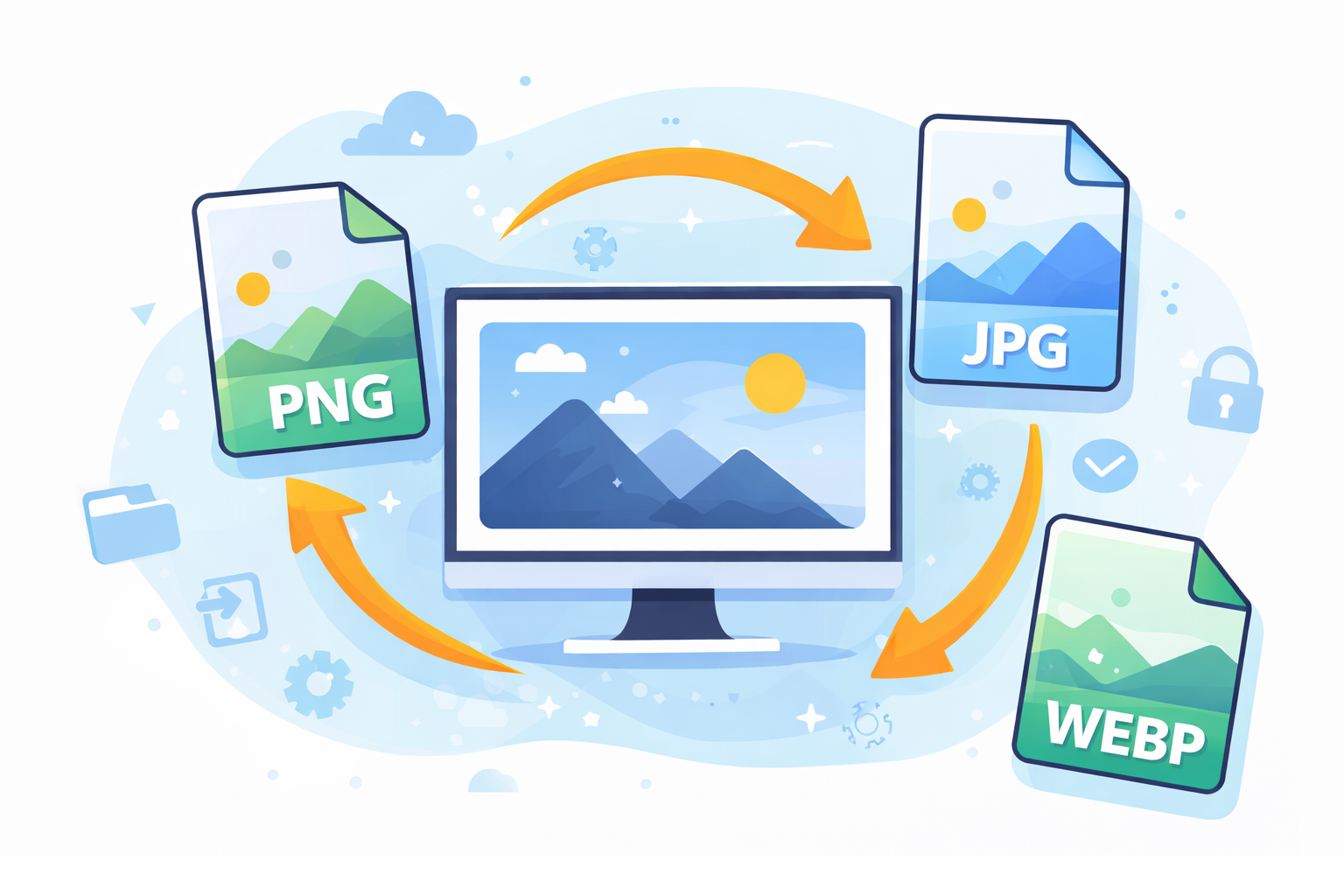
Image conversion is the change of an image file format to another format.
For instance:
| Original Format | Converted Format | Reason |
|---|---|---|
| PNG | JPG | Reduce the size of files |
| HEIC | JPG | Compatibility with devices |
| JPG | WebP | Faster website loading |
| TIFF | PNG | Better sharing on the internet |
Image conversion can optimize images for various uses, such as printing, websites storage, sharing and printing.
Why Image Conversion Is Important
Image conversion plays a vital function for digital workflows. Different formats have different functions and converting images will ensure the highest performance.
Improved Website Performance
Large images can slow websites. Converting them to optimized formats such as WebP can speed up loading time.
Better Compatibility
Some devices do not can support all formats. For instance, Apple devices often use HEIC images, and may not be compatible with older systems.
Reduced File Size
Converted images typically take up less storage space but with no any noticeable quality degradation.
Enhanced Image Quality
Certain formats offer better quality when the editing process and when printing.
Understanding Common Image File Formats
Before you convert images, it’s essential to be familiar with the most commonly used formats.
JPEG (JPG)
JPEG is among the most popular formats.
Advantages:
- Small size file
- Perfect for photos
- All supported
Disadvantages:
- Quality declines with editing repeatedly
- Not recommended for graphics that feature transparency
PNG (Portable Network Graphics)
PNG is well-known for its excellent quality images and transparent.
Best Uses:
- Logos
- Icons
- Images with clear backgrounds
Pros
- Compression that is lossless
- Helps to promote Transparency
Cons
- Larger file size
GIF (Graphics Interchange Format)
GIF images allow simple animation.
Common Uses
- Memes
- Animation icons
- Small web-based graphics
Yet, GIFs have limited color depth.
WebP
WebP is an image format that has been modernized format created by Google.
Benefits
- Smaller file size
- High image quality
- Promotes Transparency
The WebP protocol is extensively used to aid in web page optimization.
TIFF (Tagged Image File Format)
TIFF is used extensively for professional printing and photography.
Key Features
- Highest quality and extremely high standards
- Large file sizes
- Ideal to store images
How Image Conversion Works
Image conversion utilizes software algorithms to convert the images into a different format.
The typical process includes:
- Uploading or choosing an image
- Selecting the new design
- Modifying settings like quality or resolution
- Exporting the file converted
The majority of these tools complete this task in just a few just a few seconds.
Best Situations to Convert Images
There are times when you will need to convert images in a variety of scenarios.
Website Optimization
Internet developers transform images to WebP as well as compressed JPG to increase page speed.
Email Attachments
Large images could require conversion into smaller sizes prior to sending.
Graphic Design
Designers usually convert documents between PNG, SVG, and TIFF while editing.
Mobile Compatibility
Certain smartphone formats need to be converted prior to uploading online.
Popular Tools for Image Conversion
There are numerous options for tools to convert images on both offline and online platforms.
Online Image Converters
Online tools enable rapid conversion, without the need to install software.
Examples include:
- CloudConvert
- Convertio
- Online-Convert
Advantages:
- Easy to use
- Works with any device
- No installation required
Disadvantages:
- Limits on the size of files
- Internet is required
Desktop Software
Professional users usually prefer desktop applications.
The most popular programs include:
- Adobe Photoshop
- GIMP
- XnConvert
Benefits:
- Batch conversion
- More control over quality
- Work offline
Mobile Apps
Smartphone users are able to convert photos using apps.
Examples include:
- Image Converter apps
- Tools for editing photos
They are great to convert quickly on smartphones.
Step-by-Step Guide to Converting an Image
we explore the fascinating world of the mind—breaking down psychology concepts into simple is a straightforward process for beginners to follow.
Step 1: Choose a Conversion Tool
Choose a reliable converter, such as CloudConvert as well as Photoshop.
Step 2: Upload the Image
Include the image you wish to convert.
Step 3: Select the Output Format
Choose the preferred format like JPG, PNG, or WebP.
Step 4: Adjust Settings
Other settings can include:
- Image quality
- Resolution
- Compression level
Step 5: Download the Converted File
After conversion is completed then download the file.
Best Practices for Image Conversion
Best practices are the best way to ensure highest quality outcomes.
Choose the Right Format
Each format is designed with a distinct reason for it.
| Use Case | Recommended Format |
|---|---|
| Photos | JPG |
| Logos | PNG |
| Websites | WebP |
| Printing | TIFF |
Maintain Image Quality
Avoid conversions repeatedly, especially with lossy formats such as JPG.
Resize Images Properly
Images that are large should be reduced in size prior to uploading them to websites.
Use Batch Conversion
Batch tools let you convert multiple images in one go, thus making it easier to save time.
Common Mistakes to Avoid
Many beginners make mistakes when they convert images.
Using the Wrong Format
The use of PNG files for large images could result in unnecessary increase in the size of your files.
Over-Compressing Images
In excess compression, you can end up with blurry or pixelated photos.
Ignoring Resolution
Images of low resolution can look unprofessional when printed or magnified.
Converting Repeatedly
Every conversion between lossy formats reduces quality.
Image Conversion for SEO
Image conversion plays crucial roles in the process of optimizing search engines.
Optimized images can help sites load quicker and enhance the user experience.
Benefits for SEO
- Faster page loading
- Google rankings are better Google rankings
- Mobile performance has been improved
To learn more about the optimization of images to be used by search engines go to
https://developers.google.com/search/docs/appearance/google-images
Security and Privacy Considerations
When making use of online converters, be aware of the privacy.
Tips for Safe Image Conversion
- Use reliable websites
- Beware of uploading images that are sensitive
- Remove files following conversion
Many websites automatically delete uploaded images after a couple of hours.
Future Trends in Image Formats
Image technology is continuing to advance.
Formats that are emerging include:
- AVIF
- JPEG XL
These formats are designed to offer higher quality and compression when as compared to the traditional formats.
FAQs About Image Conversion
1. What exactly is image conversion used to do?
Image conversion can be used to convert an image into one type of format and another in order to increase compatibility, decrease the size of the file, or to maintain the quality of an image.
2. Which image format has the best quality?
Formats such as TIFF and PNG offer lossless quality, whereas JPG makes use of lossy compression.
3. Is it safe to use online image converters?
The most well-known converters are secure However, users should stay clear of uploading sensitive photos.
4. What is the best format for websites?
The WebP as well as the optimized JPG files are widely employed to improve the speed of websites.
5. Can image conversion reduce file size?
Yes. The conversion of PNG and TIFF files to JPG or WebP will significantly reduce the file size.
6. Does converting images reduce quality?
It is dependent upon the type of format. Formats that are lossy like JPG can lower quality, whereas PNG keeps the quality.
Conclusion
Understanding how images are converted is crucial in today’s digital environment. From speeding up websites to making sure that devices are compatible Converting images can help users to manage their visual content efficiently.
This Comprehensive Introduction on Image Conversion provided the basics of image formats, tools top practices, as well as common errors. With the right information and tools any person can easily convert images effectively while still maintaining top quality.
When you’re optimizing images to be used on blogs, creating photos to print or sharing them online, mastering the art of image conversion can make your process faster and professional.