
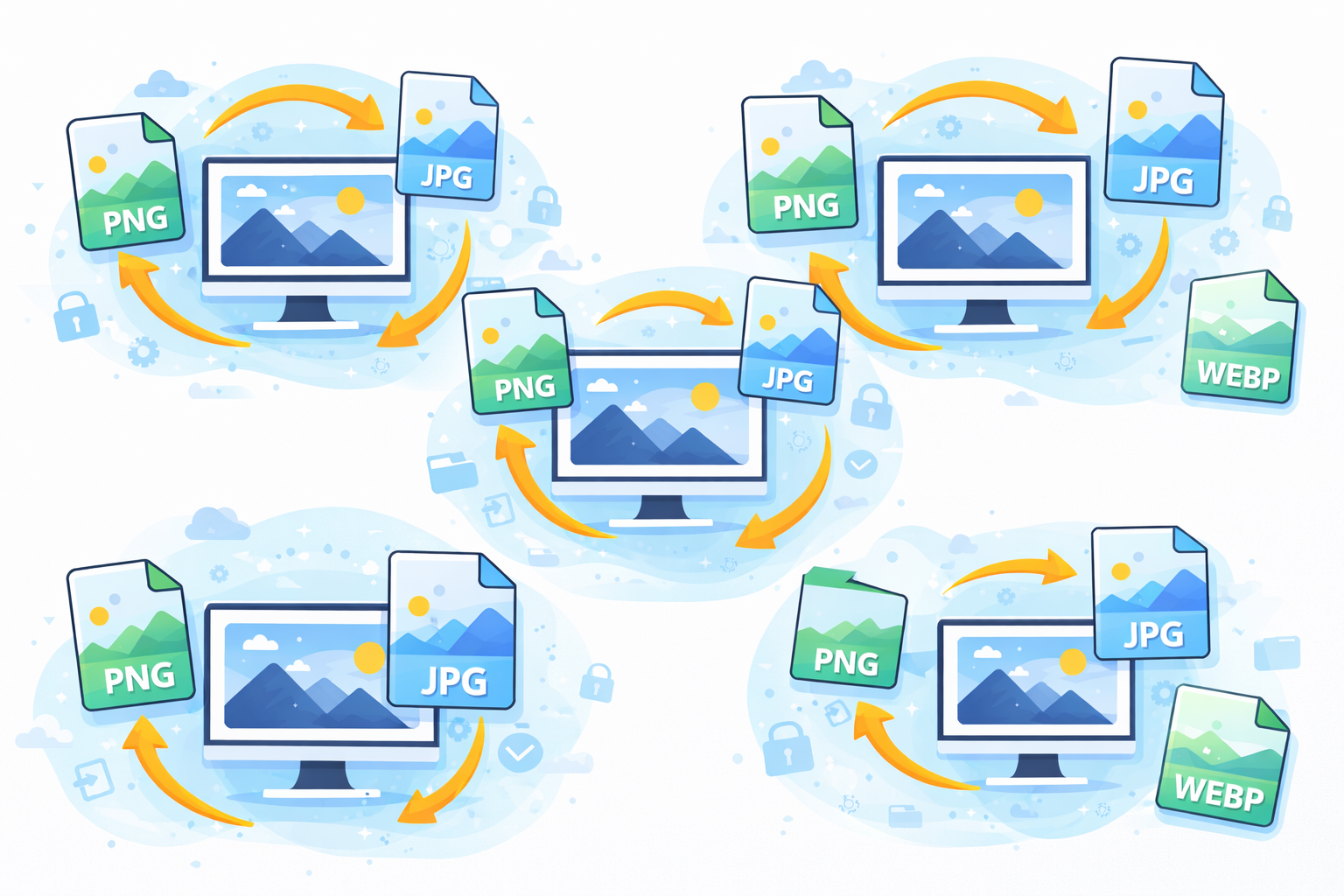
Digital images are all over the place. From social media images to website graphics as well as digital ads images play a significant part in how you communicate with your online. Knowing Digital Images and File Formats is vital for marketers, designers and photographers, as well as everyone working in the field of digital media.
Images impact website speed as well as the quality of their images and the user experience. Selecting the right format could determine the difference between a speedy loading website and one that’s slow. It also determines the quality of an image. or blurry.
This guide will explain the way digital images work and the most popular formats used and the best way to select the best one for your needs.
Introduction to Digital Images
Digital imagery is visual images that are stored in electronic format. Instead of using ink or paint computers create images by using numbers. These numbers define the brightness and color of tiny dots referred to as pixels.
Every image, photo or image you see on screen is constructed out of these tiny pieces of building.
Digital images are utilized in many different areas, such as:
-
Website design
-
Photography
-
Social media
-
Marketing via digital
-
Video production
-
Graphic design
-
Online education
The rise of the internet has created a need for digital images than ever before. They are used by businesses to entice customers, present their products and increase engagement.
Learning how image files work will help to ensure high-quality while also keeping file sizes in check.
What Are Digital Images Made Of?
Digital images are composed of mathematical data that represents the color and position of pixels. Two fundamental elements determine the quality of an image: resolution and color depth.
Pixels and Resolution
A Pixel is the smallest element of digital images. The word”pixel” comes directly from “picture element.”
For instance:
-
Images of 1920 x 1080 pixels is 2,073,600 pixels
-
Each pixel stores information about color.
Resolution is the number of pixels an image has. A higher resolution typically implies greater detail.
Common resolutions consist of:
| Resolution | Common Use |
|---|---|
| 1280 x 720 | HD video |
| 1920 x 1080 | Full HD screens |
| 3840 x 2160 | Displays in 4K |
Sharper images are created by more pixels But they also add the size of the file.
Color Depth and Bit Representation
The depth of color determines the number of colors an image can show.
Examples include:
-
8 bit color – with 256 colors
-
16 bit color – 65,536 colors
-
24bit color – – more than 16 million colors
The higher the color depth, the better realisticity, however it requires more storage space.
Types of Digital Images
Digital images typically are classified into two categories that are raster images and vector images.
Raster Images
Images using pixels are arranged in grid.
Common examples include:
-
Photos
-
Screenshots
-
Digital paintings
Popular raster formats:
-
JPEG
-
PNG
-
GIF
-
TIFF
The quality of the images in raster format decreases when they are they are enlarged, as the pixels become visible.
Vector Images
Images that are vector are produced using mathematical formulas instead of pixels.
In place of saving individual dots Vector files are used to store patterns like:
-
Lines
-
Curves
-
Polygons
Benefits of vector images:
-
Infinite scalability
-
Smaller file size for basic graphics
-
Great for icons and logos.
Common vector formats are SVG and AI.
Common Digital Image File Formats
Different formats serve different purposes. Selecting the right format improves the performance of your images and improves image quality.
JPEG Format
JPEG (Joint Photographic Experts Group) is among the formats most frequently used.
Key characteristics:
-
Lossy compression
-
Small file sizes
-
Great for photos
However, repeated editing can degrade image quality.
PNG Format
The PNG (Portable Network Graphics) uses lossless compression.
Benefits include:
-
Transparent backgrounds
-
Quality is higher than JPEG
-
Great for logos and web graphics
PNG files are more than JPEG files.
GIF Format
GIF images support animated as well as only a limited palette of colors.
The key features are:
-
Simple animations are supported.
-
256 colors
-
Small file sizes
GIFs are often used to create short animated videos and memes.
TIFF Format
TIFF (Tagged Image File Format) is widely used for professional photography and printing.
Advantages:
-
Very high-end
-
Storage options without loss
-
Ideal for archival and storage purposes
The primary drawback is the file size.
SVG Format
SVG (Scalable Vector Graphics) is a vector-based format.
Benefits include:
-
Infinite scalability
-
Small file sizes
-
Ideal for logos and icons on websites.
SVG files are extensively used to create responsive websites.
For additional technical information about image formats, you can explore resources like
https://developer.mozilla.org/en-US/docs/Web/Media/Formats/Image_types
Lossy vs Lossless Compression
Compression can reduce the size of files by eliminating or reorganizing data.
Two major methods exist.
Advantages of Lossy Compression
Lossy compression permanently deletes images and data.
Examples:
-
JPEG
-
WebP (lossy mode)
Benefits:
-
Smaller file sizes
-
Faster website loading
-
Storage requirements for storage are lower
Drawback:
-
A slight loss in quality
Advantages of Lossless Compression
Lossless compression ensures that all data from images intact.
Examples:
-
PNG
-
TIFF
-
WebP (lossless)
Benefits:
-
Perfect quality
-
Perfect to edit
-
Ideal for graphic designs
The drawback is the larger file size.
How to Choose the Right Image Format
The choice of the correct format is dependent on how the image is going to be employed.
For Websites
The best formats:
-
JPEG for photographs
-
PNG graphics that have transparency
-
SVG for logos and icons
-
WebP is the modern way to optimize your website.
For Printing
Formats with high-quality are the best choice:
-
TIFF
-
High-resolution PNG
-
High-quality JPEG
For Graphic Design
Designers frequently employ:
-
PNG
-
SVG
-
PSD (editing format for editing)
The objective is flexibility when edits and exports.
Image Resolution and Quality
Resolution is a major factor in the way images appear on screens and printed material.
DPI vs PPI
Two terms can be confusing for beginners.
| Term | Meaning |
|---|---|
| PPI | Pixels per inch (digital displays) |
| DPI | Dots per Inch (printing) |
The higher DPI is required to print because printers require more details.
Impact on Print and Screens
The recommended values are:
-
Web images: 72 PPI
-
Print images: 300 DPI
The wrong resolution could result in blurry prints, or excessively large web files.
Image Optimization for Web and SEO
Images with large sizes slow websites and can hurt search rankings.
Optimization can solve this issue.
Reducing File Size
Strategies to reduce the size of images:
-
Compress images
-
Adjust size to the correct dimensions
-
Convert to more modern formats such as WebP
-
Remove metadata
Improving Page Speed
Faster websites can improve user experience as well as SEO rankings.
Optimization techniques include:
-
Lazy loading
-
CDN image delivery
-
Responsive image sizes
-
Image compression tools
Search engines favor websites that load fast and show optimized media.
Tools for Managing Digital Images
Many tools are available to in the management and optimization of digital images.
Image Editing Software
Some of the most popular tools are:
-
Adobe Photoshop
-
GIMP
-
Affinity Photo
-
Canva
They allow editing, resizing and format conversion.
Online Image Optimization Tools
Online tools make compression easier and optimize.
Examples include:
-
TinyPNG
-
ImageOptim
-
Squoosh
-
Compressor.io
These tools can reduce the size of files but without radically reducing the quality.
Common Mistakes When Working With Image Files
Even experts have mistakes when working with images.
Using the Wrong Format
Example mistakes:
-
Making use of PNG files for large images
-
Utilizing JPEG to create logos
This results in larger files or graphics with lower quality.
Ignoring Compression
Images that are not compressed dramatically improve the time it takes to load a page.
Making sure your images are optimized before uploading is vital.
Poor Resolution Choices
Printing with low-resolution images creates blurred results.
Conversely, using large images on websites causes slow loading times.
The balance between quality and file size is vital.
Future Trends in Digital Imaging
Digital imaging continues to develop quickly.
AI Image Processing
Artificial intelligence is enhancing editing images through:
-
Automatic background removal of background
-
image enhancement
-
intelligent upscaling
-
noise reduction
AI tools have made editing professional accessible to those who are new.
Next-Generation Formats
New formats emphasize better compression and speed.
Examples include:
-
WebP
-
AVIF
-
HEIC
These formats offer high-quality but with smaller size files which makes them perfect for websites with modern technology.
FAQs About Understanding Digital Images and File Formats
1. What is the most suitable image format for web pages?
JPEG is ideal for images PNG is the best choice for graphics with transparency as well as SVG for logos and icons.
2. How can you tell the differences between vector images and vector images?
Images that are vector use pixels while vector images employ mathematical shapes that are scaled without sacrificing quality.
3. What is the reason why PNG files bigger that JPEG files?
PNG utilizes lossless compression that means it saves all data in the image and creates larger file sizes.
4. What resolutions should images be of to print?
The majority of professional prints need 300 DPI to preserve the sharpness and clarity.
5. Can image compression reduce quality?
Sure, compression loss lowers the quality but drastically reduces the size of files.
6. What are the most recent image formats on the web?
The most recent formats are webP, AVIF as well as HEIC which are more efficient in compression and performance.
Conclusion
Understanding digital images and file Formats is crucial for any person working in the field of digital media. When you’re creating an online site, designing images as well as managing photos, understanding the way images work will help you get the most effective outcomes.
Selecting the right file format can improve the quality of your images as well as reduces the storage requirements and improves the speed of websites. Understanding the distinctions between vector and raster images, compression methods and resolution standards give you total control over the digital content you upload.
As technology improves the development of advanced formats as well AI-powered software will keep changing the way we create, store as well as share photos. When you are able to master these basic concepts you’ll be ready for the ever-changing world of digital photography.